Tag: resin

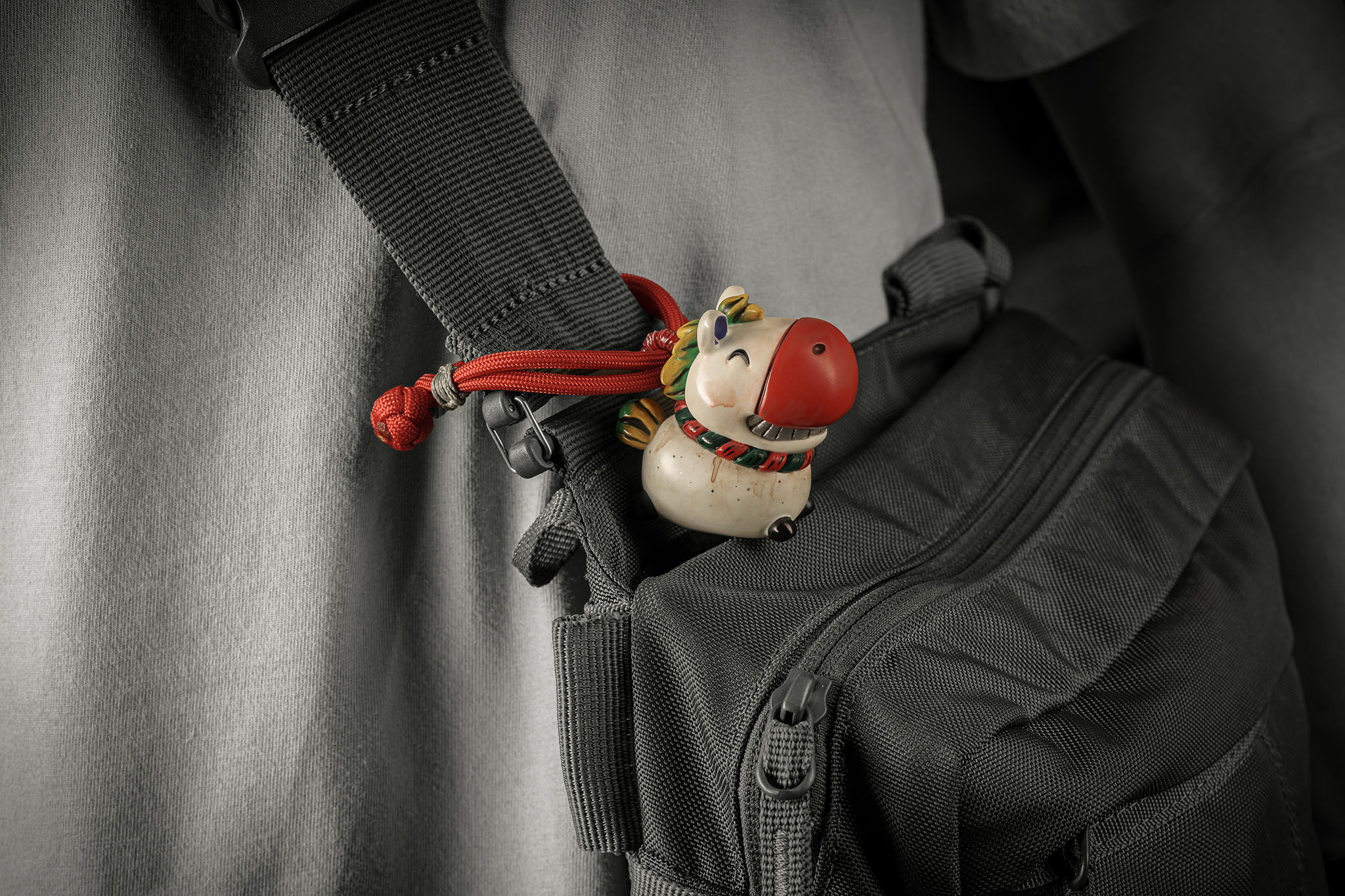
  • Meet Dawn Hoof – The 1 thing on my bag that actually smiles back

    This is the Year of the Horse. I’ve always had a thing for horses, not in a sentimental way, but in the way you quietly respect something that is entirely, completely itself. A horse at full gallop isn’t performing for anyone. It’s just running, and the joy of it is written all over the body.

    That image stuck with me for a long time before I finally did something with it.

    Dawn Hoof started as a sketch I kept coming back to. Four legs fully stretched mid-sprint. A wide, open grin that takes up most of the face. Not a noble horse, not a fierce one, just a genuinely happy horse, moving fast and meaning every bit of it. I pushed the design until the form felt right: loose enough to feel joyful, clear enough to read instantly. The smile was never up for debate. From the very first draft, if the smile wasn’t right, nothing else mattered.

    I run patches and molle on my bags like most people in this space. Everything tends to be black, olive drab, coyote, functional, intentional, and quietly serious about itself. Dawn Hoof is none of those things. He’s a hit of color on a setup that otherwise doesn’t really do color. Clip him to your bag and he rides along all day without a single complaint. Set him on your desk and he looks like he’s mid-escape. He greets every morning exactly the same way he greets every other moment: at full speed, grinning like it’s the greatest day of his life.

    He is the most loyal thing I carry. He also weighs almost nothing.

    On the craft side, each charm is hand-cast in resin at Jelly Key, my artisan keycap studio here in Vietnam. Layer by layer, color by color, poured and cured one at a time. Not printed, not painted. The translucency you see in the finished piece is just what resin does when you work with it properly and don’t rush it. It takes longer this way. That’s always been how we do things.

    For the bead version, I’ve also quietly reworked two things. The charm was always meant to hang from a bag, clipped on, tied on, riding along on the outside. The bead is something different: smaller, made to sit on a paracord or lanyard, threaded directly through rather than attached around. That shift in how it’s worn changes everything about how the form needs to behave. So the mane has been reshaped. On the bead, paracord runs straight through it, and the original geometry just didn’t flow the way I wanted once cord was actually in it. The new shape works with the cord instead of against it, it frames the threading naturally rather than fighting it. And the neck strap, which on the charm served a specific structural purpose, has been reworked entirely on the bead since that purpose no longer applies. Carrying the same shape over would’ve meant keeping a detail that had lost its reason to exist. Both are quiet changes. Neither will announce themselves. But that’s exactly the kind of thing I can’t leave alone once I’ve noticed it.

    Dawn Hoof is here. He’s happy about it.

  • First test complete – A wooden BEAM STAND for flashlights

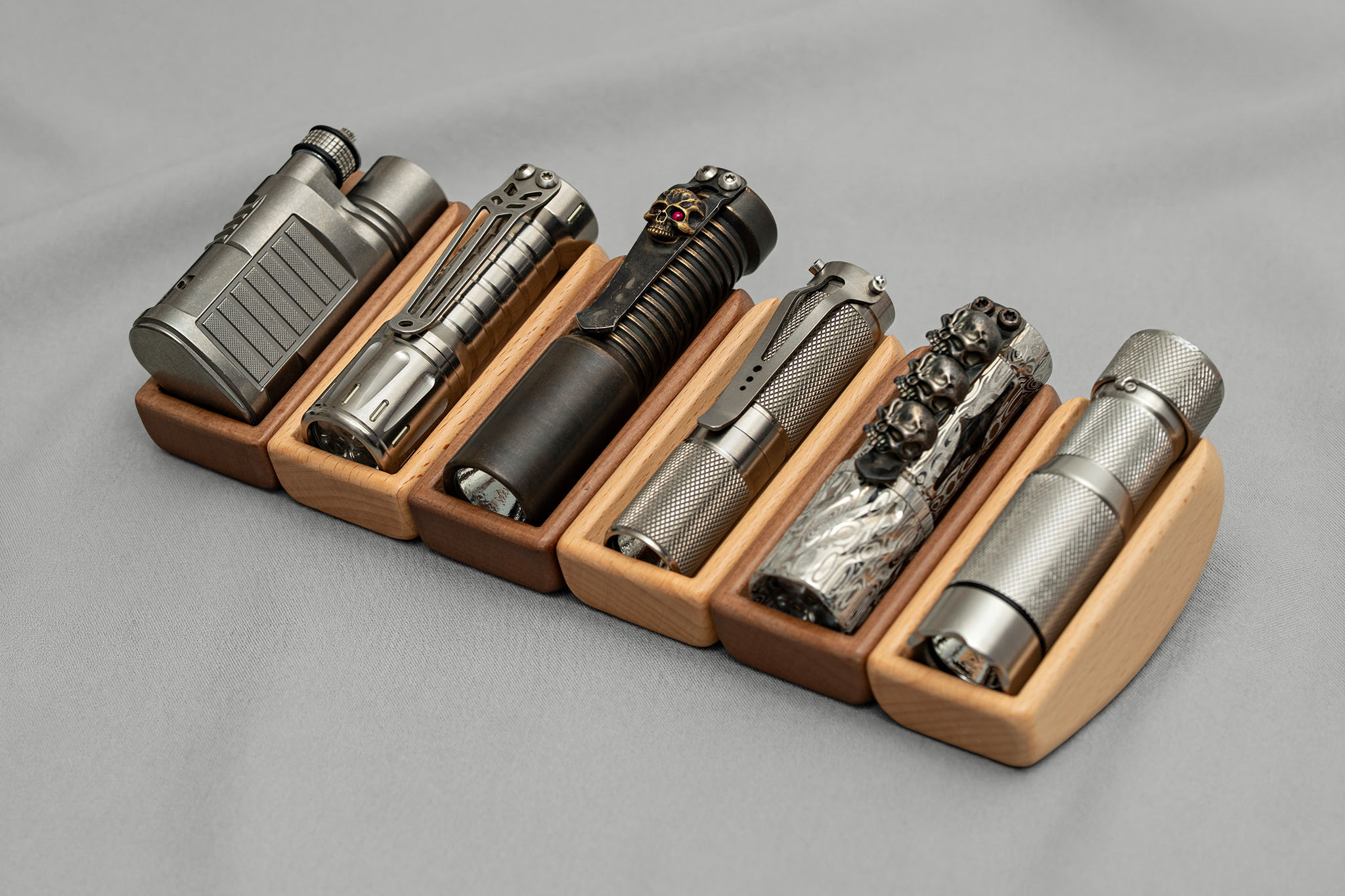
    I’ve just wrapped up the first proper test version of a wooden flashlight display stand I’ve been working on. This round was mainly about checking balance, viewing angle, and how it actually feels to use on a desk.

    For this test, I made the stand in two wood types: ash and walnut (the darker one). Each piece was cut from a solid wood block, then hand-carved and filed into shape. The curves took much longer than expected—especially the sanding—but it was necessary to get the form and surface right.

    The viewing angle was a key focus. I wanted the flashlight to sit at a natural tilt that’s easy to see when you’re standing, without lying too flat or taking up unnecessary desk space. With the current slope and length, it can hold larger lights like Cool Fall and HDS 18650 securely, without tipping over.

    The back of the stand is slightly curved to keep the overall look relaxed rather than rigid. I also kept the stand intentionally short, letting part of the flashlight extend above the top so it’s easy to grab. I briefly considered a longer version for three to five flashlights, but in practice it felt less usable and didn’t look as clean, especially for photography.

    Some of you have already received these test pieces, and I’ve gotten a lot of useful feedback. A few people asked if I plan to sell them. For now, probably not. They take a lot of time to finish, and I haven’t landed on a price that feels fair.

    I also tested a resin-cast version. Resin gives a much smoother surface and makes it easy to add internal weight, which helps longer flashlights stay balanced.